
Housing Plan
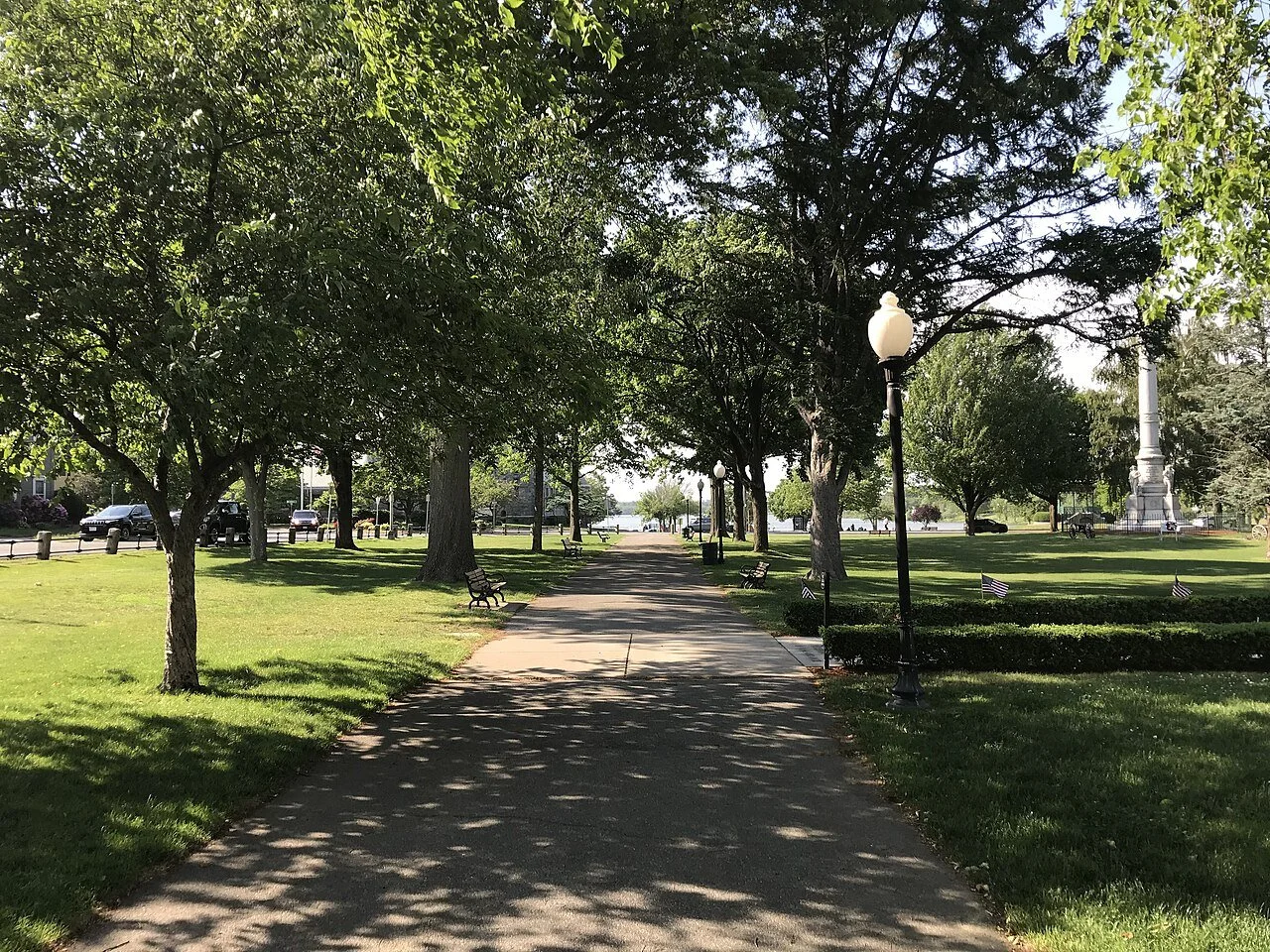
Photo credit: John Phelan
A Housing Plan That Reflects Shared Values
Wakefield has always been a community where people put down roots. It’s a place where families grow across generations, where longtime neighbors wave from porches, and where civic pride runs deep. But in recent years, residents have increasingly voiced concerns about rising housing costs, fewer options for everyday earners, and the need to protect the people who make Wakefield what it is.
To meet this moment, the Town partnered with JM Goldson to update its Housing Production Plan. The result is a practical and inclusive roadmap that reflects what matters most to the community: housing stability, expanded opportunity, and thoughtful, strategic growth.
Throughout the process, we heard clearly that maintaining Wakefield’s existing affordable housing is a top priority. Residents recognized the importance of continuing to meet the state’s 10 percent Subsidized Housing Inventory threshold in order to serve the growing number of households with low or moderate incomes.
There was also strong support for creating more housing options for people who keep Wakefield running: teachers, first responders, small business owners, and lifelong residents looking for a way to stay. The plan emphasizes modest, reasonably priced homes that allow people to build their futures in the community they love.
Residents also expressed deep concern for older adults and people with disabilities who are finding it harder to live independently. From rising maintenance costs to inaccessible home layouts, many are facing tough decisions. The plan outlines strategies to expand supportive and accessible housing choices so all residents, regardless of age or ability, can choose how and where they live.
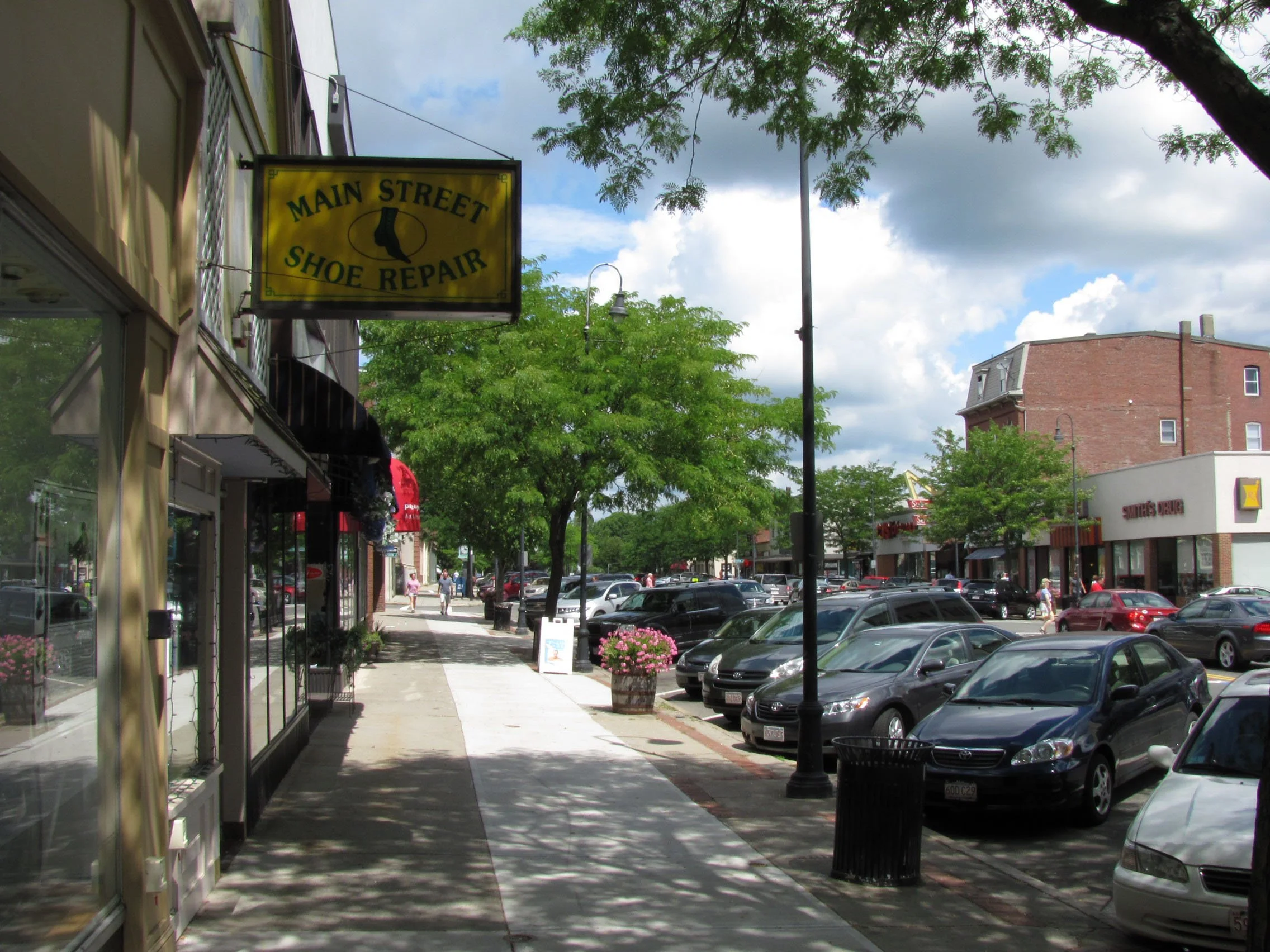
Photo credit: John Phelan
Importantly, Wakefield wants to grow without losing its character. The plan supports housing near existing infrastructure such as transit, commercial areas, and services while also calling for updated zoning to allow neighborhood-scale solutions like accessory dwelling units and small multi-unit homes. These changes give residents more flexibility, meet changing household needs, and help make efficient use of land.
Throughout the planning process, it became clear that communication and coordination matter. Many community members shared that they didn’t always understand the housing challenges Wakefield faces or the tools already in place to address them. The plan responds by calling for increased transparency, better public information, and open dialogue. It also highlights the need for stronger collaboration among Town departments and boards to ensure that housing strategies are implemented efficiently and effectively.
Together, these shared priorities form the heart of Wakefield’s housing plan. It’s more than a document. It’s a community commitment to ensuring that Wakefield remains a place where people of all ages, abilities, and incomes feel they belong.