Written by Jenn AICP
Years ago, while I was in undergrad, I was in a dark place. That’s when I first encountered The Tao of Pooh. What struck me then, and still does, is that it is within our own inner power to ease fear and anxiety by shedding pretense and returning to a more grounded, uncomplicated way of being with yourself and in relationship with others.
More than three decades later, I still return to that book when I need to steady myself. It reminds me that there is an elegance to the simple authenticity of being completely present and that when we slow down enough to see one another the distance between us narrows. I seem to need that reminder repeatedly in each season of my life.
From Personal to Collective
These lessons may have started out as personal, but they feel more and more collective as the years go by. These days, fear, anxiety, and division feel ever-present. I see it in the world, in our communities, and even within families.
I think many of us have that one relative who cannot resist steering the family dinner conversation into current events. We can almost predict the moment the conversation shifts. And yet, if we look past the performance, they want what we all want.
To be heard.
To belong.
To matter.
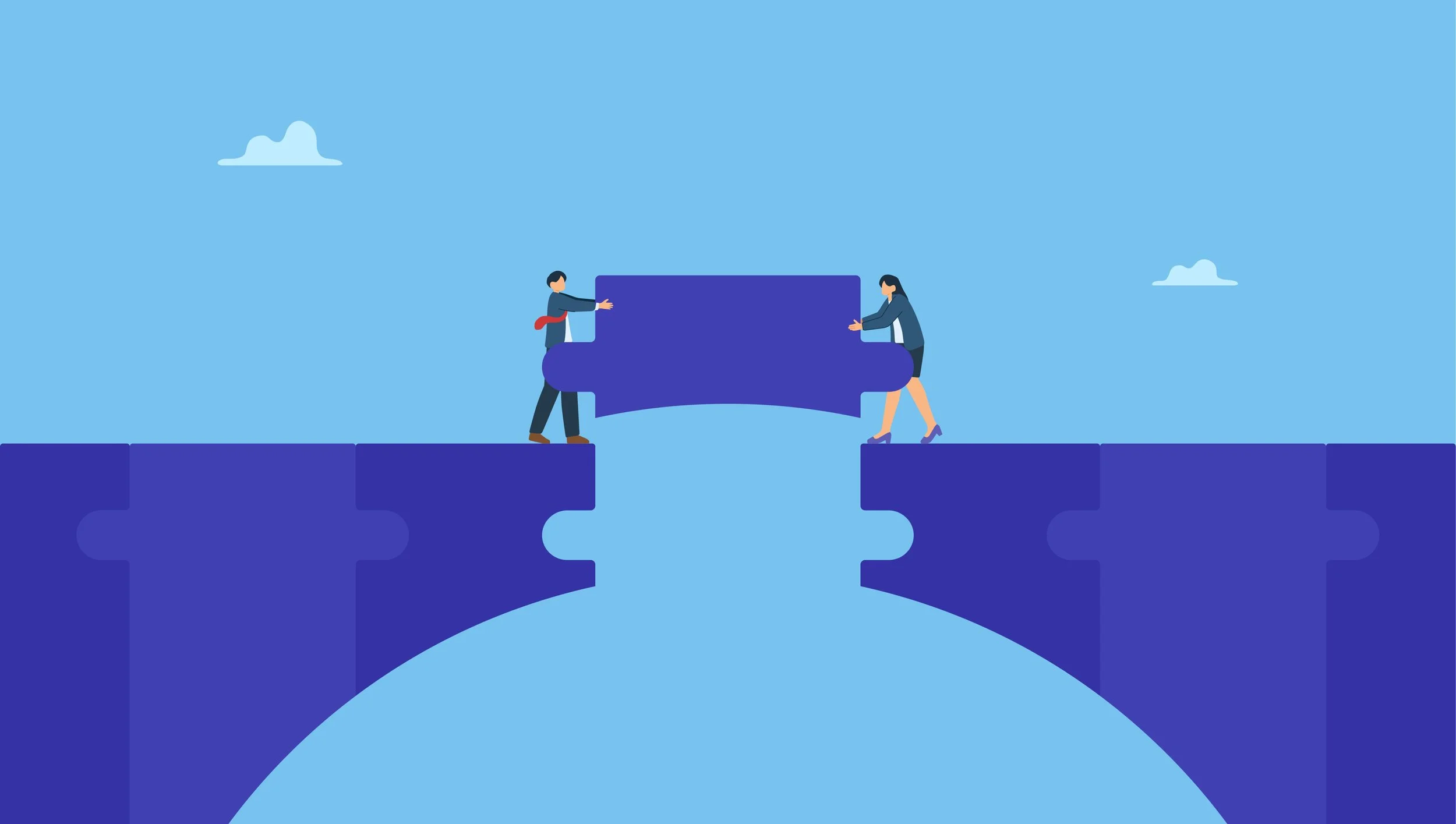
And that desire is universal. Honoring that desire is the work of bridge building. In divided times, planners are called not just to write policy, but to build bridges (and in a way, heal what is broken).
I believe community planning can be part of that healing. Not by avoiding conflict, but by creating conditions where people feel safe enough to participate. Where even those who feel defensive or unheard are invited in.
Call Them In (Not Out)
I remember a time early in my career when I presented a mapping analysis to help identify redevelopment opportunities. After the meeting, a community member approached me, visibly upset, convinced that we were going to force private property owners to redevelop their properties. Their concern caught me off guard until I realized my presentation had been full of jargon and short on plain English. I had unintentionally pushed this person out of the conversation.
But when I slowed down and explained the purpose in accessible terms, you could almost see their muscles relax. We connected. They felt heard and included and respected.
It’s easy, especially early in our careers, to think that sounding smart means using technical language. What I’ve come to understand is this:
Jargon builds distance.
Plain language builds bridges.
Building Bridges
Today, that means translating technical concepts into everyday language, pausing to check for understanding, and designing meetings that invite questions instead of defensiveness. It is a lesson I now build into every project our team leads.
I’ve come to see my work as much about facilitation as it is about planning. Of course, the technical expertise matters, but that’s not where all our value lies. Planners are also listeners, bridge-builders, interpreters, and space-holders. We help communities not just make plans but come together to set direction for the future.
Planners help create the conditions where trust can grow, even when consensus isn’t possible (which is most of the time in my experience). Trust is the foundation of any bridge.
In divided times, that work, the work of building bridges, of calling in rather than calling out, matters more than ever.
Using Our Power Well
As planners, we hold power. It is different from the power of elected officials, but it shapes outcomes just the same. We can use that power to reinforce systems that leave people out, or we can use it to draw people in through inclusive language, accessible processes, and a mindset rooted in bridge building.
Planners are not the whole solution, but we can be an essential part of it.
If you are thinking about how to make your planning process more accessible, more grounded, or more community driven, I would welcome the conversation. My team and I are committed to designing processes that call people in, not pushing them out. Whether you are just beginning or deep into a project, we are always open to exchanging ideas and exploring how we can support your work.
Get in touch with Jenn
I’D LOVE TO CONTINUE THE CONVERSATION.
LET’S STAY CONNECTED